Forty-eight hours sounds too short for the Masai Mara until you check what a fly-in trip actually fits into that window. Two full game drive days, one night under canvas, and a real shot at lions, elephants, and maybe a river crossing. It is not the same trip as a five-day safari. It is a different, faster version of it, and whether it works depends on how you get there and what you are willing to skip.
This guide breaks down what a realistic 48-hour Masai Mara itinerary looks like, what it costs against a longer stay, and where a short trip runs into trouble. Touring Insights built it around real flight times, gate names, and fee ranges, not a generic packing list.
What a 48-Hour Masai Mara Itinerary Actually Looks Like
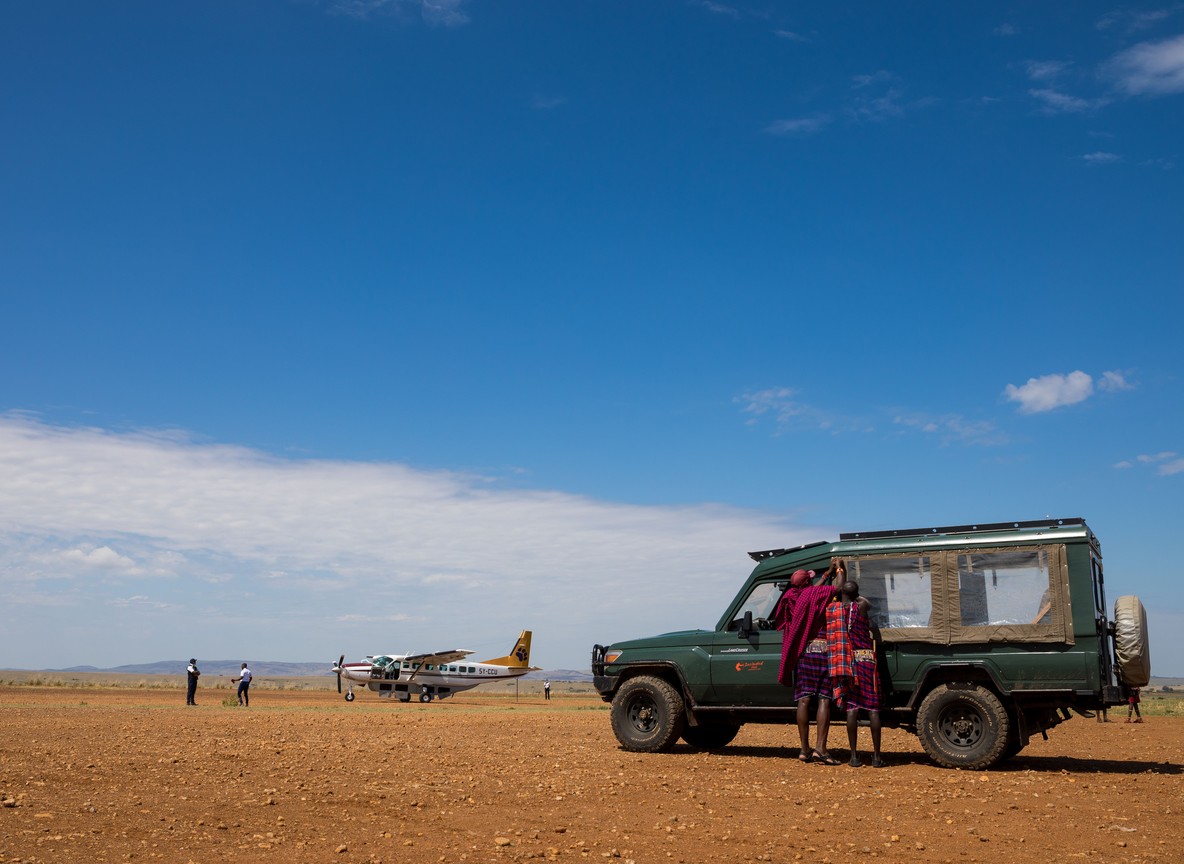
A workable two-day Mara trip starts with a morning flight from Nairobi, not a road transfer. Land by mid-morning, drive straight from the airstrip into a game drive on the way to camp, and you have already used the first block of wildlife time productively. Day one continues with an afternoon drive from roughly 4pm to 6:30pm. Day two opens with an early drive before breakfast, from 6am to 9am, then a second drive from 4pm to 6:30pm before an evening flight or an early morning flight out on day three.
That structure gives four game drives across two days. It is tight, but it is real safari time, not a rushed drive-by. The trade-off is pacing. There is no lazy midday at the pool and no buffer day if weather delays a flight.
Fly-In vs Road: Why the 48-Hour Version Depends on the Plane
A 48-hour Masai Mara trip only works as a fly-in itinerary. Driving eats the time budget a short trip cannot spare.
| Route | Distance | Time | Notes |
|---|---|---|---|
| Nairobi (Wilson Airport) to Mara airstrips | Approx. 250 km air distance | Approx. 45 min flight | Scheduled shared flights, several departures daily |
| Nairobi to Sekenani Gate by road | Approx. 270 km | Approx. 5-6 hr drive via Narok town | Via the B3/C12 road, tarmac most of the way, rough final stretch |
| Airstrip to camp transfer | Varies by camp | Approx. 15-45 min | Often includes a short game drive en route |
Drive in and drive out of a two-day trip and you lose roughly 10-12 hours of a 48-hour window to the road alone. Fly in both ways and that time goes to game drives instead. This is the single biggest factor in whether a short Mara trip feels worthwhile or feels like a waste of a long weekend.
48 Hours vs a Longer Stay: What Changes
A short trip is not a lesser version of a long one in every respect. It is a different trade of depth for speed.
| Factor | 48-Hour Trip | 4+ Day Trip |
|---|---|---|
| Game drives | Roughly 4 | 8 or more |
| Areas covered | Usually one camp, one conservancy or reserve zone | 2-3 areas possible, reserve plus conservancy |
| Migration river crossing odds (Jul-Oct) | Lower, one shot at being in the right place | Higher, repeat visits to crossing points |
| Big cat tracking depth | Limited, one pride’s territory at most | Can follow a pride or cheetah coalition across days |
| Cost efficiency | Higher cost per day, flights and park fees spread thin | Lower cost per day once fixed costs are spread out |
| Best fit | First safari, add-on to a Nairobi trip, tight annual leave | Photographers, repeat visitors, honeymoon pacing |
If the goal is to see the Mara at least once without burning a whole week of leave, 48 hours delivers. If the goal is repeat sightings, denning cubs, or a river crossing on your terms, a longer stay buys better odds.
Where to Base a Short Trip: Airstrips and Camp Clusters
Camp choice matters more on a short trip because transfer time eats directly into drive time. These are the main entry points.
| Airstrip | Serves | Known for |
|---|---|---|
| Musiara | Governors’ Camp, Little Governors’ Camp cluster | Musiara Marsh, resident lion prides |
| Ol Kiombo | Mara Serena Safari Lodge area, central reserve | Central plains, mixed grazing herds |
| Keekorok | Keekorok Lodge, Sekenani area, southeast reserve | Closest airstrip to Nairobi road route |
| Kichwa Tembo / Oloololo | Angama Mara, Kichwa Tembo Camp, Mara Triangle | Mara River crossing points, escarpment views |
Picking a camp within a short drive of its airstrip, ideally under 20 minutes, protects the tight schedule. A camp that requires an hour’s transfer from the nearest strip can quietly erase a third of a day-one game drive.
What a Short Safari Costs Against a Longer One
| Cost item | Indicative range (USD) | Notes |
|---|---|---|
| Reserve entry fee, non-resident | $80-100 per person, per day | Narok County managed Masai Mara National Reserve, confirm current rate |
| Mara Triangle entry, non-resident | Approx. $100 per person, per day | Managed separately by the Mara Conservancy |
| Conservancy conservation fee | $70-100 per person, per night | Usually bundled into the nightly camp rate, e.g. Mara Naboisho, Olare Motorogi |
| Return scheduled flight, Nairobi-Mara | Indicative $250-450 per person | Shared caravan or twin-otter service, confirm with operator |
| Mid-range tented camp, per night, full board | Indicative $250-500 per person | Varies widely by camp and season |
A 48-hour trip does not cost half of a four-day trip. Flights and park fees are largely fixed, so a short stay spreads them over fewer nights. Expect the per-night cost of a two-day trip to run noticeably higher than the same camp booked for four nights.
Who a Short Mara Trip Actually Suits
A 48-hour safari is not the wrong choice for everyone chasing a longer trip instead. It fits specific situations well. A business traveler with a Nairobi conference and one open weekend can still see the Mara without extending the trip by a week. A family adding a safari onto a Kenya coast holiday can slot two days between Diani and departure without reshuffling the whole itinerary. First-time visitors testing whether safari travel suits them at all often prefer a lower-commitment two-day trip before booking a longer, pricier one later.
Where a short trip suits people poorly is repeat visits, dedicated photography, and anyone hoping to track one specific pride or coalition across several days. Those goals need the buffer that only a longer stay provides. Matching the trip length to the goal, rather than to the calendar alone, is what actually determines whether 48 hours feels worth it afterward.
Explorer Notes
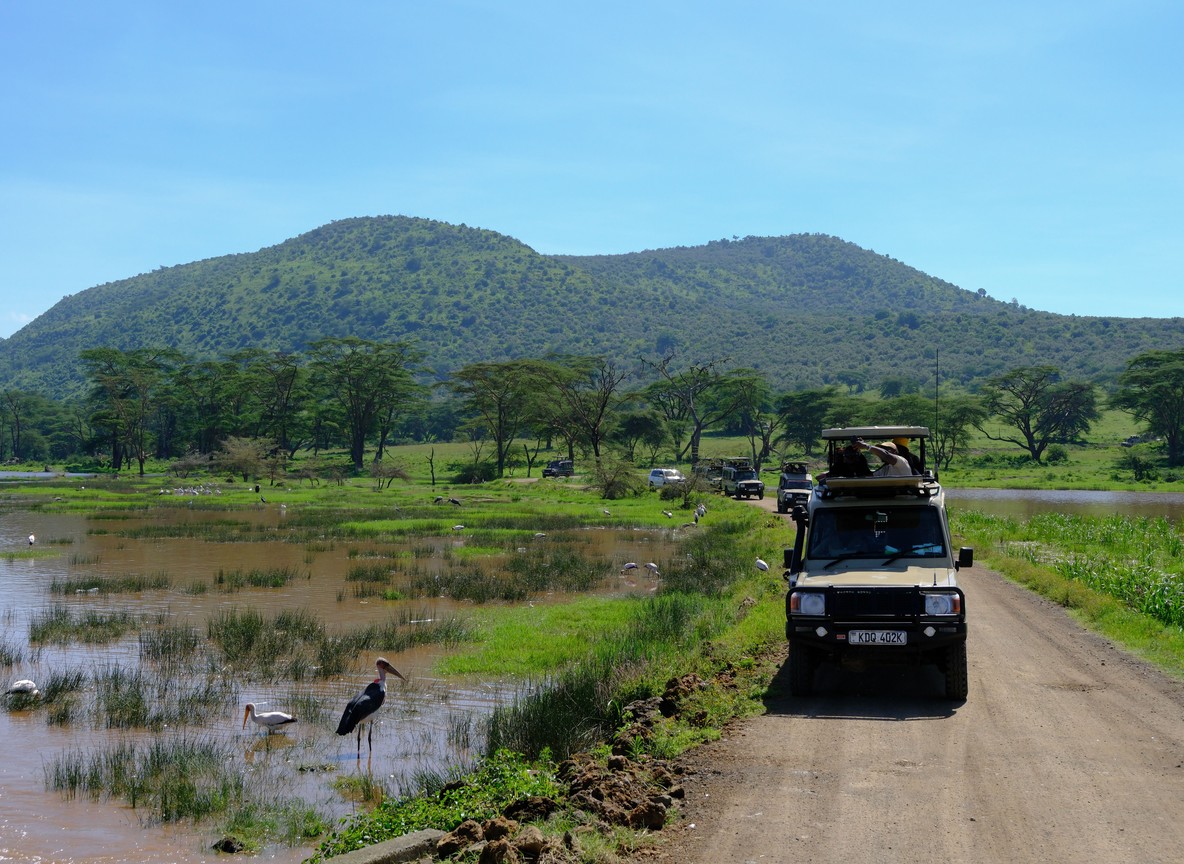
A few things guides mention that rarely make it into a standard itinerary. Book the first activity of day one as a game drive straight from the airstrip, not a rest period at camp. Most camps will hold your room and let you drive in via a scenic route if you ask ahead. Confirm your outbound flight time before you book day two’s activities. Some routes only depart mid-morning, which can cost you the final game drive if you are not careful. Ask specifically whether your camp sits inside a conservancy or the main reserve. Conservancies allow off-road driving and night drives, both useful when you only have two days. Pack for dust and cold mornings even on a short trip. Early drives in an open vehicle sit close to freezing before sunrise, even though Mara afternoons run warm.
What to Read Next
- Weighing a road transfer instead of flying in? Read our guide comparing Wilson Airport flights against a self-drive or shared shuttle to the Masai Mara.
- Trying to time a trip around the wildebeest migration? See our guide to timing a Mara river crossing safari.
- Looking at conservancies instead of the main reserve for your short trip? Check our comparison of Masai Mara conservancies for first-time visitors.
FAQ
Is 48 hours enough time for a Masai Mara safari? Yes, if you fly in both ways. A fly-in itinerary fits roughly four game drives into two days. A road-based version loses too much time in transit to be worthwhile.
How do I get to the Masai Mara in a short amount of time? Fly from Nairobi’s Wilson Airport, a flight of about 45 minutes to airstrips including Musiara, Ol Kiombo, or Keekorok. Driving takes 5-6 hours each way via Narok.
Will I see the wildebeest migration in just two days? Only during peak crossing season, roughly July through October, and only if your camp sits near an active crossing point. A short trip means fewer chances to be in the right place at the right time.
Is a 48-hour Masai Mara trip more expensive per day than a longer one? Usually, yes. Flights and park entry fees are largely fixed costs, so spreading them over two nights instead of four or five raises the average daily cost.
What is the biggest downside of a short Masai Mara safari? Limited coverage. A two-day trip usually means one camp and one area of the reserve or conservancy, with little room for tracking a specific pride or waiting out weather.
Deciding between 48 hours and a longer stay comes down to your calendar and your goal for the trip. Visit our Tour Packages page to compare short fly-in options against longer camp stays, or ask a partner operator to confirm which airstrip and camp pairing keeps your transfer time short.
Further reading
- Magical Kenya (Kenya Tourism Board)
- Maasai Mara Wildlife Conservancies Association
- African Wildlife Foundation
More safari planning resources
- Kenya national parks map from SafariPure
- Nairobi to Maasai Mara route guide from Valley Safaris
- Maasai Mara National Reserve guide on Touring Insights
- Compare Kenya safari packages on FindMySafari
Related guides: Why Masai Mara Should Be Your Next Safari Destination.